
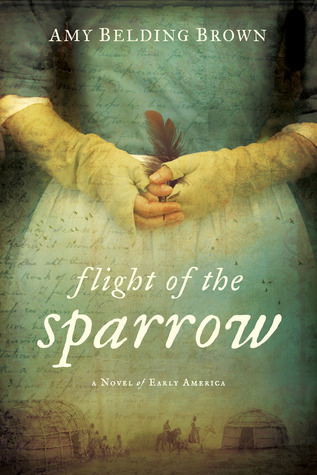
Flight of the Sparrow, by Amy Belding Brown, is a historical novel set in colonial New England during the violent conflict known as King Philip’s War. Written in 1914, the novel is inspired by the true story of Mary Rowlandson, the novel follows a Puritan minister’s wife whose life is transformed after she is captured during a Native American raid on Lancaster, Massachusetts, in 1676.
Before the attack, Mary already feels constrained by the strict expectations of Puritan society. Intelligent and compassionate, she often questions the harsh judgments of her community, especially toward women, servants, and outsiders. Though devoted to her family and faith, she struggles with the rigid rules that govern every aspect of colonial life. Her growing unease foreshadows the dramatic changes that lie ahead.
When Native warriors allied with Metacomet—called King Philip by the English—attack Lancaster, Mary’s world is shattered. Her home is destroyed, many townspeople are killed, and she and her children are taken captive. Injured, starving, and terrified, Mary is forced to travel through the wilderness with the Indigenous group that captured her. During the journey, she experiences tremendous grief, including the loss of one of her children, while enduring brutal winter conditions and constant uncertainty.
As months pass, Mary begins to see her captors as more complex human beings rather than the “savages” she had been taught to fear. She witnesses cruelty and violence on both sides of the conflict, but she also encounters unexpected compassion, humor, and generosity among the Native people. Living within their communities exposes her to a way of life far different from the rigid Puritan world she once knew. Slowly, her beliefs about religion, freedom, gender roles, and cultural superiority begin to shift.
A particularly important relationship develops between Mary and James Printer, a bilingual Native man educated among the English. Intelligent and kind, James helps Mary survive and challenges her assumptions about identity and belonging. Their connection deepens Mary’s internal conflict as she finds herself increasingly drawn to the independence and openness of Native life, even while longing to reunite with her surviving family.
Eventually, Mary is ransomed and returned to English society, but she discovers that captivity has permanently changed her. No longer fully comfortable within Puritan culture, she struggles to reconcile the woman she once was with the person she has become. Torn between two worlds, Mary must confront difficult questions about faith, prejudice, and personal freedom.
Rich in historical detail, the novel explores themes of survival, cultural misunderstanding, identity, and transformation. Rather than presenting history in simple terms of heroes and villains, Flight of the Sparrow portrays the emotional and moral complexities of colonial America while telling the deeply personal story of one woman’s awakening.