
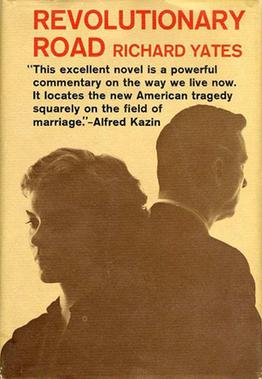
Set in 1955 in Connecticut, Richard Yates’s Revolutionary Road is a devastating portrayal of 1950s suburban conformity, unfulfilled potential, and the slow, agonizing collapse of a marriage. The story centers on Frank and April Wheeler, a bright, attractive couple living at 115 Revolutionary Road in a suburban enclave called Revolutionary Hill Estates.
Unlike their neighbors, the Wheelers pride themselves on being “different,” which to them means more intelligent, more passionate, and destined for a life far superior to the mundane, consumerist suburban existence they currently occupy.
Frank works a boring job at Knox Business Machines in New York City, a position he despises but feels trapped in, while April stays home with their two children, having abandoned her dreams of acting. Their initial promise has been replaced by a “tense and bitter” atmosphere, marked by trivial arguments and mutual discontent, though they mask this disillusionment with arrogance.
The tension peaks when April, seeking to escape their lackluster life, proposes an ambitious plan: they should sell their home and move to Paris, where she will work to support the family while Frank finds his true calling, free from the constraints of American corporate culture. Initially, Frank is invigorated by this radical prospect, and for a while the promise of Paris reinvigorates their marriage. They feel superior, finally acting on their perceived exceptionalism. However, the dream crumbles as Frank’s insecurities rise. He is offered a promotion at work, and when April becomes pregnant with their third child, the practicalities and fear of abandoning their safety net consume them.
Frank pressures April to have an abortion, which she refuses. The couple’s inability to reconcile their desire for a grand life with their fear of change results in emotional violence. When April realizes that Frank is content with mediocrity and that their marriage is utterly hollow, she feels trapped.
The only person who sees the reality of their dysfunction is John Givings, the mentally ill son of their real estate agent, who bluntly points out the hypocrisy of their “perfect” life. Following a massive argument with Frank, where he accuses her of being insane, April is confronted with the absolute destruction of her hopes. In a final, desperate act of liberation, she attempts a self-induced abortion and dies from the complications, her last thought is the quiet, panicked realization of her hopelessness.
The novel concludes with Frank broken and haunted by the “truth” he avoided, forced to live in the quiet despair of the suburb he despised. Revolutionary Road is an intimate, unrelenting look at how the pressures of conformity can destroy love, hope, and ultimately, life itself.