
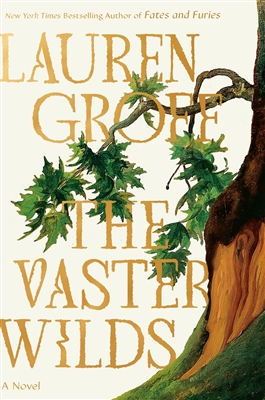
Set during the brutal “starving time” in 1610, Lauren Groff’s novel follows an unnamed, resourceful teenage servant girl who escapes the disease-ridden Jamestown colony. Fleeing into the unforgiving winter wilderness, she must rely entirely on her wits to survive, navigate her harsh new environment, and find inner freedom.
The narrative opens with the protagonist slipping away from the starving settlement in the middle of a freezing night, carrying only a few crude possessions. In the workhouse in England, she was given the name Lamentations to remind her of her mother’s failings, and later called Zed by her wealthy mistress. Stripped of her societal labels, she simply becomes “the girl” as she heads north toward potential French settlements.
Through intermittent flashbacks, the novel reveals the traumatic circumstances of her past. Plucked from a London poorhouse as a child, she was brought to the New World as a maidservant to an indulgent but ultimately indifferent aristocratic family. She found her only source of joy in caring for a young girl named Bess, whom she fiercely loved. However, facing mounting starvation, disease, and exploitation within the colony, she committed a desperate crime—stealing boots and a cloak—before fleeing into the treacherous, snowy woods.
As she ventures deeper into the untamed American wilderness, the story transforms from a harrowing survival-adventure into a deep philosophical meditation. She struggles with the sheer physical realities of her environment, scrounging for grubs, forging for mushrooms, and building shelters in hollow trees to ward off the winter cold. Day by day, she battles agonizing hunger, isolation, and the creeping realization of the physical toll the elements take on her young body. She also crosses paths with local Native tribes, observing them from afar while wrestling with her own prejudices and the overarching sins of colonization.
Throughout her journey, the protagonist’s mind begins to expand. She grapples with complex concepts like humanity’s place in the natural world, the devastating nature of empire, and the true meaning of freedom. Cut off from human society, she begins to develop a profound, almost hallucinatory spiritual worldview, communing with an internal “spark of god” that she feels animates all living things around her.
Ultimately, her journey proves to be as much about untangling her identity and shedding the ideologies of the civilization she left behind as it is about staying alive. It becomes a visceral test of human resilience and the desire for independence.