
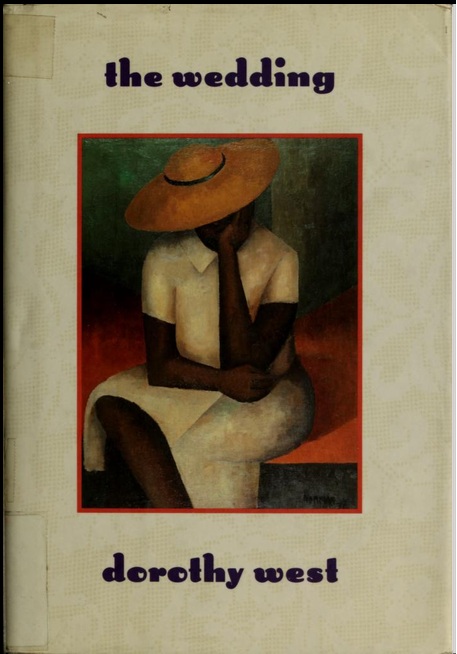
Set in 1953 on Martha’s Vineyard, Dorothy West’s final novel, The Wedding, explores the insular world of “the Oval,” an exclusive summer enclave for the affluent Black bourgeoisie. The narrative centers on the upcoming nuptials of Shelby Coles, the beautiful, light-skinned youngest daughter of the community’s most prominent family. To the immense dismay of her status-conscious relatives and neighbors, Shelby has chosen to marry Meade Wyler, a white jazz musician from New York City. This highly controversial choice directly threatens the rigid social and racial hierarchies that the Oval’s elite have painstakingly constructed over decades to protect their prestige.
While the primary plot unfolds over a single tension-filled weekend, West weaves a rich, multi-generational tapestry that spans five generations of the Coles family line. Through expansive flashbacks reaching back to the era of slavery, the novel tracks the family’s trajectory from Southern plantations and hardworking emancipated ancestors to elite, Harvard-educated professionals in the North. These historical vignettes reveal how colorism, classism, and the psychological scars of slavery have shaped each generation’s marital choices, often prioritizing social advancement and skin tone over genuine affection. Shelby’s own parents, Clark and Corinne, endure a cold, transactional marriage born of these exact societal pressures and strict family expectations.
As the wedding day approaches, Shelby faces a profound identity crisis while family members debate the merits of her interracial union. The modern-day tension escalates significantly with the arrival of Lute McNeil, a wealthy, dark-skinned Black businessman. Driven by his own intense desire for social validation, Lute attempts to sabotage the engagement and claim Shelby for himself, viewing her and her family’s high status as the ultimate prize for his motherless daughters.
Ultimately, Dorothy West utilizes the impending ceremony to deliver a powerful, nuanced critique of “blue-vein society”. The novel beautifully exposes the profound irony of a marginalized elite adopting the same prejudices used against them. By choosing love over superficial criteria, Shelby breaks a generational cycle of compromise, offering a timeless meditation on character, identity, and the heavy price of social mobility.