
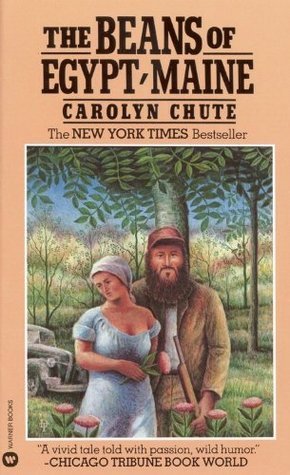
Carolyn Chute’s The Beans of Egypt, Maine (1985) is a raw, unflinching portrait of rural poverty. Set between 1960 and the early seventies, it follows the notorious Bean family—Reuben, Roberta, and Beal—as they struggle with violence, hunger, and societal disdain. Seen through the eyes of their neighbor Earlene Pomerleau, the story highlights Earlene’s strict, pious upbringing versus the Bean’s desperate, often violent, fight for survival.
Set in the small town of Egypt, Maine, the narrative introduces the Beans as a poor, largely misunderstood family living in a partially inbred backwater community. Despised by many of their neighbors, the Beans represent the area’s “working poor” demographic, or the “redneck-trash” inhabiting run-down trailers which often lack modern amenities.
The story describes how Earlene, despite her pious father’s warnings, is fascinated by the Beans’ and their untamed life. She is particularly drawn to the chaos of their household, which seems exciting compared to her own stifled upbringing.
The plot centers on several key figures: Reuben Bean, a volatile, alcoholic brawler who frequently faces incarceration; Roberta Bean, Reuben’s perpetually pregnant, hardy partner; and Beal Bean, a cousin who is initially gentle but ultimately doomed by the same violence that plagues his kin. The narrative observes the cycle of poverty and brutality as Beal eventually marries Earlene, plunging her into the family’s world of dysfunction and intense, yet desperate, loyalty.
As the novel progresses, the characters, particularly the men, struggle against a world that offers them little opportunity, with many ending up in prison or in dangerous, low-paying jobs. The Beans’ traditional, rural way of life is depicted as being slowly destroyed by encroaching industrialization, driving them toward further marginalization.
The Beans of Egypt, Maine is less a traditional narrative and more a series of interwoven vignettes documenting a family’s struggle to exist. It offers a stark, sometimes humorous, yet often tragic look at the “have-nots,” exploring the, often, misunderstood lives of America’s, and especially New England’s, rural poor. The book ends not with a resolution, but a stopping point, reflecting the stagnant and harsh reality of the Bean family’s life.
Through its gritty, unvarnished style, the novel brings to light a forgotten segment of American society, challenging readers to find the humanity within their chaotic and, at times, brutal world.